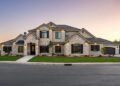
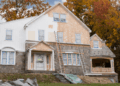
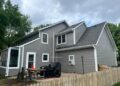
Embark on a journey of creativity and functionality with our guide to home exterior siding and roofing ideas. From choosing the right materials to coordinating colors, we've got you covered.
Delve deeper into the world of exterior design and discover how to enhance your home's curb appeal effortlessly.
Home Exterior Siding Ideas
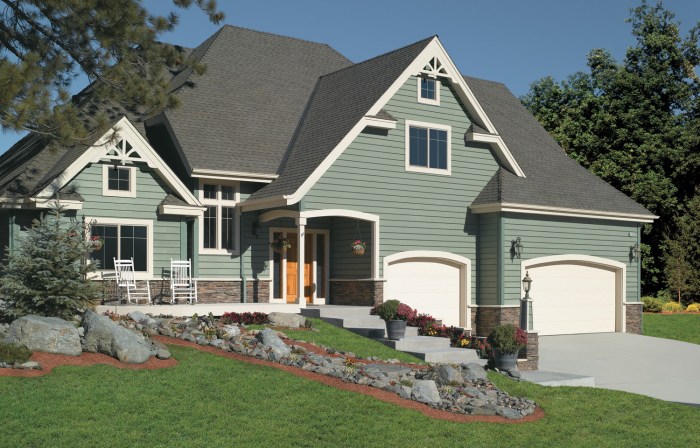
When it comes to choosing the right siding for your home, there are several popular options to consider, each with its own set of pros and cons. It's essential to understand the different materials available and their characteristics to make an informed decision that suits your needs and preferences.
Vinyl Siding
Vinyl siding is a popular choice due to its affordability and low maintenance requirements. It comes in a variety of colors and styles, making it versatile for different home designs. However, it may not be as durable as other materials and can crack or fade over time.
Wood Siding
Wood siding offers a natural and timeless look, adding warmth and character to a home. It can be painted or stained in various shades to complement the exterior design. On the downside, wood siding requires regular maintenance, such as painting or sealing, to prevent rot or insect damage.
Fiber Cement Siding
Fiber cement siding is a durable and low-maintenance option that can mimic the look of wood or masonry. It is resistant to fire, moisture, and pests, making it a practical choice for many homeowners. However, installation costs can be higher compared to other materials.
Metal Siding
Metal siding, such as aluminum or steel, is known for its longevity and strength. It can withstand harsh weather conditions and is resistant to rot, mold, and pests. While metal siding is a more modern choice, some homeowners may find it less visually appealing than other options.Choosing the right siding material for your home involves considering factors such as cost, maintenance requirements, durability, and aesthetics.
Whether you prefer the classic charm of wood siding or the practicality of vinyl or fiber cement, make sure to weigh the pros and cons of each material before making a decision.
Home Exterior Roofing Ideas
When it comes to roofing materials for your home, there are several options to consider. Each type of roofing material has its own lifespan, cost considerations, and aesthetic appeal. It's essential to choose the right roofing material that not only complements your home's exterior but also fits your budget and energy efficiency needs.
Asphalt Shingles
Asphalt shingles are one of the most popular roofing materials due to their affordability and ease of installation. They typically last around 20-30 years and come in a variety of colors and styles to match your home's exterior. While they may not be the most eco-friendly option, they provide good value for your money.
Metal Roofing
Metal roofing is known for its durability and longevity, with a lifespan of 40-70 years. While metal roofs may have a higher upfront cost, they are energy-efficient and can help reduce cooling costs in the long run. They come in various metal types like steel, aluminum, and copper, offering a modern and sleek look to your home.
Tile Roofing
Tile roofing is a popular choice for Mediterranean or Spanish-style homes, offering a unique and elegant appearance. While tile roofs can last 50-100 years, they are more expensive and require professional installation. They come in clay or concrete tiles, providing excellent insulation and energy efficiency.
Wood Shakes
Wood shakes give a natural and rustic look to your home, perfect for a cottage or cabin-style exterior. While wood shakes have a lifespan of 30-40 years, they require regular maintenance and may be prone to mold or rot. They are eco-friendly and biodegradable, adding a charming touch to your home.Choosing the right roofing color and style is crucial to enhance your home's curb appeal.
Consider the architectural style of your home, the surrounding landscape, and any homeowner association guidelines when selecting a roofing material. Additionally, opt for energy-efficient roofing materials like metal or tile to reduce your carbon footprint and save on energy costs in the long term.
Coordinating Siding and Roofing
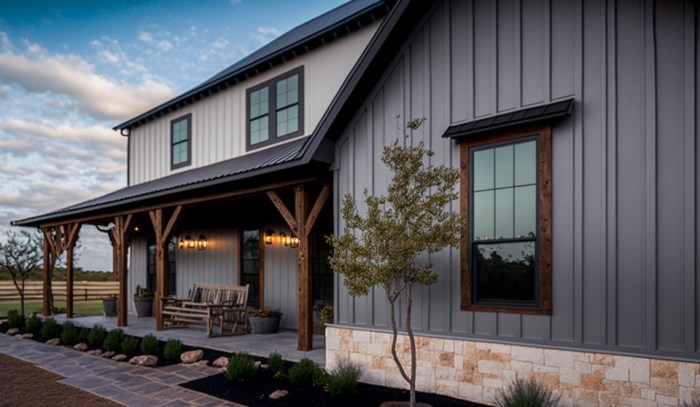
Creating a harmonious look for your home exterior involves coordinating siding and roofing materials effectively
Impact of Architectural Style and Climate
When choosing siding and roofing materials, it's important to consider the architectural style of your home. For example, a modern home may look best with sleek metal roofing and fiber cement siding, while a traditional farmhouse could benefit from cedar shake roofing and vinyl siding.
Additionally, the climate in your area should also influence your decision, as certain materials may be better suited to withstand harsh weather conditions.
- For a coastal cottage-style home, consider pairing white cedar shingles with a metal roof in a soft blue hue to evoke a beachy vibe.
- A rustic log cabin can be enhanced with a natural wood shake roof and stone veneer siding for a warm and inviting look.
- In a suburban colonial-style house, classic brick siding and asphalt shingles in neutral tones can create a timeless and elegant appearance.
Blending Siding and Roofing Colors
To ensure a cohesive color scheme for your home exterior, it's essential to blend siding and roofing colors harmoniously. Consider the following tips to achieve a balanced and visually pleasing look:
- Choose roofing and siding colors from the same color family to create a unified appearance.
- Use contrasting colors for the roof and siding to highlight architectural details and add visual interest.
- Take into account the surroundings and landscaping when selecting colors to ensure that your home exterior harmonizes with its environment.
Maintenance Tips for Siding and Roofing
Routine maintenance is essential to ensure the longevity of your home's siding and roofing. By performing regular inspections, cleaning, and timely repairs, you can prevent costly damages and maintain the aesthetics of your home's exterior.
Inspecting for Damage and Signs of Wear
- Check for cracks, holes, or loose pieces in the siding.
- Look for missing or damaged shingles, as well as signs of water damage on the roof.
- Inspect the caulking and seals around windows, doors, and vents for any gaps or deterioration.
- Examine the gutters and downspouts for clogs or damage that could lead to water pooling on the roof.
Cleaning and Protecting Siding and Roofing Materials
- Regularly clean siding with a mild detergent and water to remove dirt, mold, and mildew.
- Use a soft brush or low-pressure washer to clean the roof and remove debris like leaves and branches.
- Apply a protective coating or sealant to the siding and roof to prevent damage from UV rays, moisture, and pests.
- Trim overhanging tree branches to prevent them from damaging the roof or siding during storms.
Importance of Timely Repairs
- Addressing minor issues promptly can prevent them from escalating into major problems that require expensive repairs.
- Timely repairs can help maintain the structural integrity of your home and prolong the lifespan of your siding and roofing materials.
- Regular maintenance and repairs can enhance the curb appeal of your home and increase its resale value.
Closing Notes
Elevate your home's aesthetics and durability with the perfect siding and roofing choices. Let your exterior shine with a blend of style and practicality.
FAQ Explained
How do I choose between different siding materials?
Consider factors like durability, maintenance, and aesthetics to make an informed decision.
What roofing color would complement my home's exterior best?
Choose a color that harmonizes with the overall color scheme of your home for a cohesive look.
How often should I inspect my siding for damage?
Regularly check for any signs of wear or damage to address issues promptly and prevent further damage.